What Questions Should I Ask a Jeweler About Ethical Sourcing?
An engagement ring can be romantic without being traditional—and it can be beautiful without asking you to ignore where its materials came from. If you’re shopping for a ring, asking about ethical sourcing is part of choosing the piece, not an awkward interruption to the proposal story.
After years working alongside jewelers and bridal ateliers, I’ve learned that the most useful conversations are specific. “Is this ethical?” can invite a vague answer. Asking about a stone’s origin, the kind of documentation available, and what happens when a jeweler doesn’t know is much harder to sidestep.
These questions aren’t a test you have to pass, and you don’t need to arrive knowing every industry term. They’re tools to help you understand your options, compare answers, and decide what matters most to you. Whether you want a mined diamond, a lab-grown stone, a colored gemstone, or a redesigned heirloom, you deserve clear information before you buy.
Start with your own definition of “ethical”
Ethical sourcing doesn’t mean exactly the same thing to every couple. For one person, the priority may be avoiding newly mined stones. Another may focus on labor conditions, recycled precious metals, traceability, or supporting independent makers. It’s fine to have more than one priority—and it’s fine if your budget shapes your choices.
Before an appointment, talk about what you care about most. A quick list can keep the conversation focused:
- Do you want to avoid newly mined materials, or are you open to them if the supply chain is documented?
- How important is it to know a stone’s country or region of origin?
- Would you consider a lab-grown diamond, a colored gemstone, or a vintage ring?
- Do you want recycled precious metal, and can the jeweler explain what that means in practice?
- Is your priority a particular look, a certain price, a traceable supply chain, or a balance of all three?
Budget belongs in this conversation. It doesn’t make the ring less meaningful. A good jeweler should be able to discuss trade-offs without making you feel that a bigger spend is the only way to show commitment.
Essential ethical jewelry questions to ask a jeweler
Use the questions below as a starting point. You don’t have to ask every one in a single appointment. Pay attention not only to the answer, but also to whether the jeweler explains it plainly and welcomes follow-up questions.
1. What do you mean when you describe this stone or metal as ethical?
Ask the jeweler to define the word rather than relying on a label. Does it refer to recycled material, a particular supplier standard, known origin, or something else? There isn’t one phrase that proves a supply chain is responsible. What matters is whether the claim has a clear meaning and can be explained.
2. What can you tell me about this stone’s origin?
“Stone origin” can mean different levels of information. Ask whether the jeweler knows the country or region, the mine or producer, or only the immediate supplier. They may not be able to trace a stone all the way back to its source; if so, ask what they do know and what records support it.
For diamonds, ask whether the stone is mined or lab-grown and what documentation accompanies it. For colored gemstones, ask whether the origin is known, whether any treatments have been disclosed, and whether the jeweler can explain what is and isn’t verified. Origin claims can be complex, so a careful answer may include limits rather than a sweeping promise.
3. Who supplies the stone, and how do you evaluate that supplier?
This is a practical way to explore jeweler sourcing transparency. Ask how long the jeweler has worked with the supplier, what information the supplier provides, and how the jeweler handles gaps in that information. You can also ask whether sourcing policies are written down and whether they apply to every stone or only selected collections.
4. What documentation can I see—and what does it actually prove?
Ask to review any available grading reports, invoices, origin statements, or supplier documentation. A document may confirm a stone’s characteristics without confirming its ethical history. Ask the jeweler to explain the purpose and limits of each record in everyday language.
5. What treatments or enhancements should I know about?
Some colored gemstones are modern engagement ring styles treated to improve their appearance. That isn’t automatically a reason to rule out a stone, but you should know what treatments were used and whether they affect care, durability, or value. Ask for the information in writing so you can refer to it later.
6. Where does the metal come from?
Ask whether the ring uses newly mined, recycled, or a mix of precious metals. “Recycled” can cover different sources and processes, so ask the jeweler to explain their claim. Also ask whether the metal can be resized or repaired by the studio that makes the ring. A beautiful choice should be wearable and serviceable, not just appealing on the day you buy it.
7. What happens if you can’t verify a claim?
This may be the most revealing question. A responsible answer can acknowledge uncertainty, describe what is known, and offer alternatives. Be cautious if a jeweler treats every stone as fully traceable but can’t explain how they know, or if reasonable questions are met with pressure instead of information.
Compare your options without treating one as automatically perfect
Mined and lab-grown diamonds have different supply chains. A lab-grown diamond is created in a controlled setting rather than extracted from the earth, but that alone doesn’t answer every question about energy use, labor, or manufacturing. A mined diamond may come with more or less origin information depending on its path through the supply chain. Ask about the specific stone in front of you rather than relying on a broad category label.
Vintage and estate rings can keep an existing piece in circulation, and redesigning family jewelry can make sentimental materials feel personal again. Still, vintage isn’t a magic word that guarantees a perfect fit, condition, or history. Ask about repairs, stone security, resizing limits, and whether an older setting can safely support daily wear.
Colored gemstones offer another route. A sapphire, tourmaline, spinel, or other gem can carry a story through color, family connection, or a meaningful place. Ask about durability for your lifestyle, treatment disclosure, and origin information. A gemstone that looks wonderful in a photo may need a protective setting or more careful wear than a diamond.
Breaking engagement ring traditions can make room for better choices
There’s no rule that an engagement ring has to be a white diamond in a familiar shape. Modern settings and silhouettes can put your priorities first: a low-profile bezel, an east-west stone, a sculptural band, an asymmetrical design, or a colored center stone can feel personal without being difficult to wear.
When you try rings on, notice more than how they look from above. I keep a running mental list of settings that snag on knits, and a high-prong design can be lovely in a display case but irritating in real life. Check whether the ring catches on sleeves, whether the stone feels secure, and how the band feels between your fingers. If you plan to wear a wedding band beside it, ask to try the two together.
That comfort check is also part of ethical shopping: choosing a ring you’ll genuinely wear and maintain is more useful than buying a piece that only works for a styled photograph. Ask about cleaning, inspections, repairs, and resizing before you commit.
Make a custom ring with clear expectations
Bespoke ring design can give you https://bizzmarkblog.com/engagement-ring-shopping-online-how-do-returns-and-resizing-usually-work/ more control over the final piece, including the stone, setting, metal, and proportions. It can also make sourcing questions more important: a custom design may use materials from several suppliers. Ask who is responsible for sourcing each component and what information will be shared with you before work begins.
For a smoother process, bring references that show what you like and what you don’t. Pinterest boards for ring inspiration can be useful if you label images with notes such as “love the low setting,” “prefer this band width,” or “beautiful, but too tall for daily wear.” Treat the images as a conversation starter, not a promise that a design can be copied exactly.
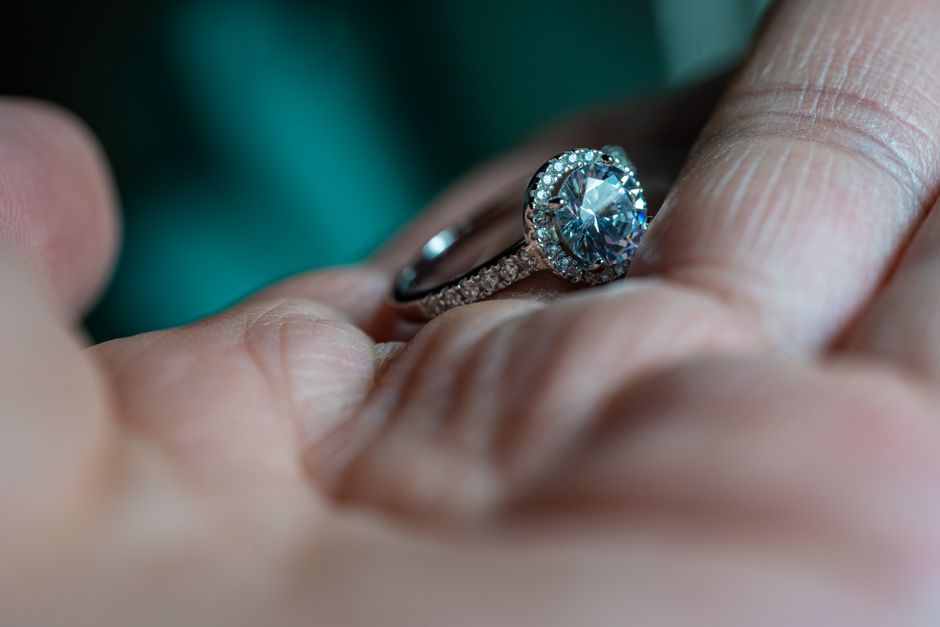
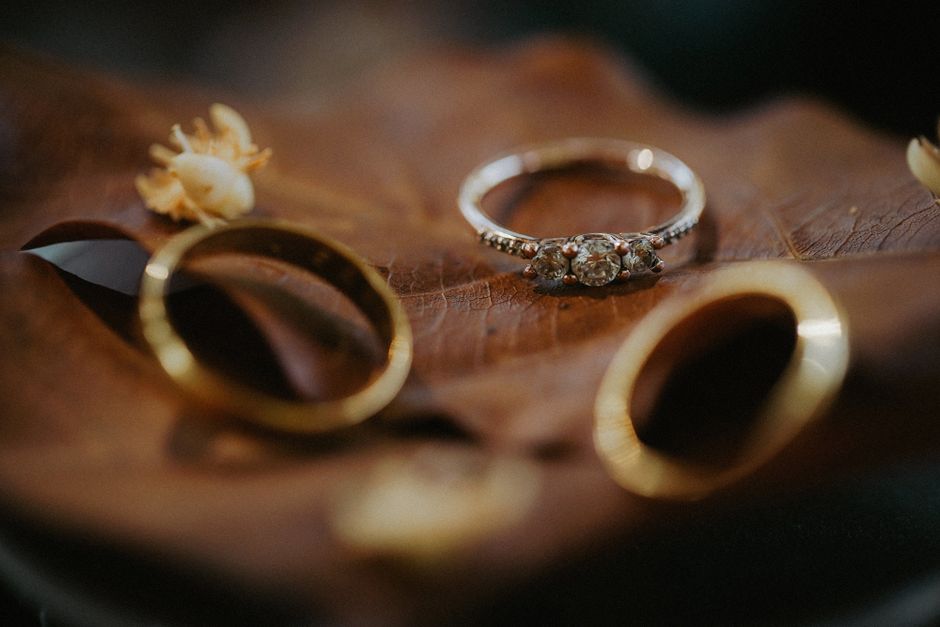
Brands and retailers can also help you explore different aesthetics and price points. Bespoke Bride may offer ideas for personal wedding details and styling; Lily Arkwright and Modern Gents may appear in your ring research as you compare designs. Don’t assume that a brand mention—or polished product copy—answers your sourcing questions. Check the specific product details and ask the company directly about the stone, metal, documentation, and policies for the ring you’re considering.
Before approving a custom design, get the important details in writing:
- The center stone type, dimensions, and any known treatments
- What is known about stone origin and what cannot be verified
- The metal type and the jeweler’s explanation of any recycled-content claim
- The design, ring size, estimated timeline, and total price
- Resizing, repair, return, and warranty terms
- What happens if the proposed stone becomes unavailable
A quick comparison guide for your appointment
Ask about Useful follow-up What a clear answer might include Stone origin What level of origin information do you have? Known details, supporting records, and any limits Supplier How do you evaluate suppliers? A practical explanation of standards or sourcing procedures Gem treatments Has the stone been treated? Disclosure of known treatments and care implications Precious metal Is it newly mined, recycled, or a mix? A specific explanation of the material claim Aftercare Can this setting be repaired or resized? Clear service options, costs, and any limitationsRed flags—and reassuring signs
Be cautious about absolute claims that come without evidence, vague phrases like “conflict-free” with no explanation, or pressure to decide before you can review the details. Another warning sign is a jeweler who treats your questions as an accusation. You’re not being difficult; you’re trying to understand what you’re buying.
Reassuring signs include a jeweler who answers in plain language, separates verified information from assumptions, offers documentation where available, and admits when a detail is unknown. They should also be willing to discuss different stones and designs within your budget rather than steering every conversation toward the most expensive option.
Keep the wedding planning tools in their lane
Ring research often happens alongside a dozen other wedding decisions. If you see an invitations promo that mentions organizing responses in a Google Sheet for RSVPs, that can be handy for tracking guests and meal choices—but it won’t help you verify a ring’s supply chain. Keep sourcing notes in a separate document or spreadsheet with the jeweler’s answers, product details, prices, and links to any records. That makes it much easier to compare options without relying on memory.
The question behind all the questions
When you ask about ethical jewelry questions, you’re not looking for a perfect story. You’re looking for enough honest, specific information to make a decision that feels right to you. Ask what the jeweler knows about stone origin, how they support jeweler sourcing transparency, and where the limits of their knowledge begin. Then consider how the ring looks, how it feels between your fingers, and whether you’ll be happy caring for it over time.
Your engagement ring doesn’t have to follow an old script. It can be a lab-grown diamond, a colored gemstone with a story, a vintage find, or a bespoke design that feels like you. The best choice is the one you understand, can afford without resentment, and want to wear—not the one someone else calls “timeless” without explaining why.