What Does Quality Control Mean for Luxury Watches?
Luxury watches are often admired from afar for their style and brand prestige. But what really defines their quality isn’t just a famous name like Rolex or Omega stamped on the dial. It’s a meticulous chain of decisions and craftsmanship threaded through every step of the watch assembly process that ensures reliability, consistent performance, and a user experience that lasts decades.
In this post, we’ll explore what quality control really means in the luxury watch world—from design and manufacturing to final inspections. We’ll reference examples from industry stalwarts like Rolex, Omega, and The Watch Company (TWC Japan), an established pre-owned luxury dealer that also shares expertise through the TWC Blog. Plus, we’ll spotlight how cross-industry concepts, like the seamless experience found on platforms such as the MrQ mobile platform (a mobile casino example), can inspire quality control philosophies in watchmaking.
Craftsmanship Beyond Function: The Heart of Quality Control
It’s tempting to think a luxury watch's quality boils down to how precisely it keeps time. But true quality extends far beyond mere accuracy. It’s about craftsmanship—small, often invisible calculations and actions by highly skilled artisans and engineers to ensure everything from the crown’s smooth feel to a bracelet’s balanced heft feels just right.
Take the example of Rolex. When I was on sales floors, customers often tried to twist the crown to feel sturdiness and smoothness—no abrupt clicks or looseness were acceptable. This tactile feedback is a result of rigorous quality control checks ensuring consistency standards are met every time. The swing of a bracelet, how the links lock, or even the weight distribution make an unconscious impact on perceived quality.
- Every component must pass tiny tolerance limits.
- Mechanical parts are tested repeatedly under stress conditions.
- Finish is scrutinized not just for looks but for how it will age on the wrist.
Omega’s approach, for instance, includes extensive use of coaxial escapements and anti-magnetic materials, which are manufacturing choices made upstream to enhance long-term reliability and value. Quality control is the gatekeeper ensuring these design intentions are realized in the final watch, not just in theory.
Upstream Quality Work: From Design to Manufacturing Checks
Quality control doesn’t start when a watch leaves the factory floor; it starts far earlier during design and component selection. This upstream focus is crucial for luxury brands who refuse shortcuts. Demonstrating this, The Watch Company (TWC Japan) frequently highlights how consistency in supply chain parts and sub-assembly calibrations influence final product excellence.
There’s a ripple effect from these early decisions:
- Component sourcing: Premium alloys and jewels for movements are chosen for durability and finish.
- Design tolerances: Engineers design parts with minimal margins to reduce play and noise.
- Prototype testing: Trial runs and stress simulations ensure watches survive the daily realities of wristwear.
Manufacturing checks then act as a final filter—each watch undergoes a battery of tests to confirm that everything operates as intended. For Rolex, this includes pressure tests for waterproofness and chronometric certification to verify timing accuracy. These are not vague claims of “built to last” but pre-owned luxury watch measurable, documented standards.
Invisible Details That Shape User Experience
Take no delight in obvious features alone. The difference between a good luxury watch and an outstanding one lies in invisible details. For example:
- Lubrication consistency: Even oil distribution in the movement reduces wear and keeps the crown turning buttery smooth for years.
- Case finishing angles: Tiny bevels and polished edges make a watch comfortable every time it touches skin.
- Bracelet spring tension: Enough tension to prevent rattling but gentle enough not to bind during wrist movements.
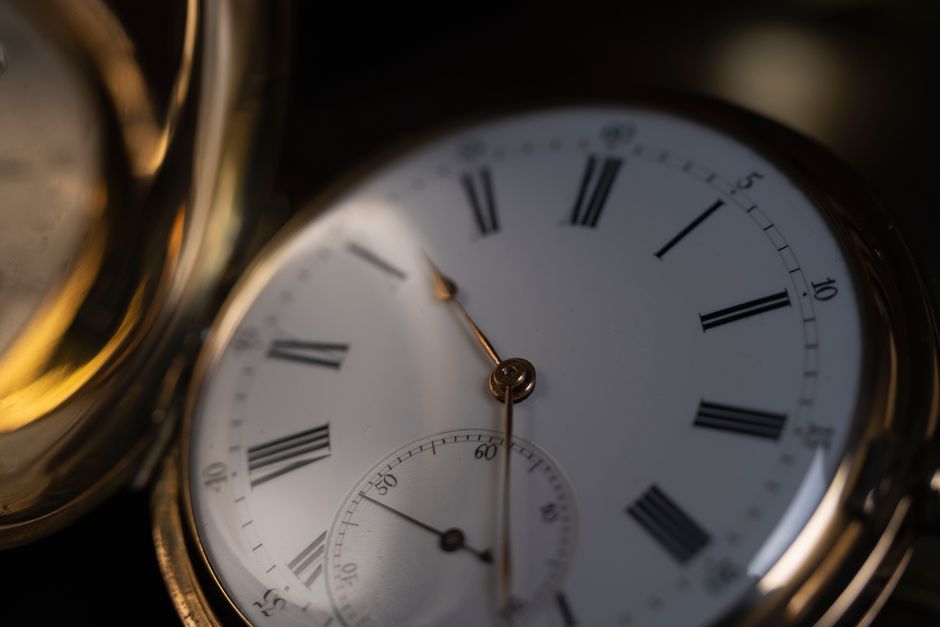
- Dial legibility: Use of anti-reflective coatings and contrast balance enhance day-to-day readability.
These factors aren’t flashy specs listed on websites, but they critically influence satisfaction. Reviewing watches on the TWC Blog regularly surfaces these subtleties, training enthusiasts to appreciate quality as a sequence of small excellent decisions, not one magic feature.
Reliability and Long-Term Value Through Consistency
Luxury watch quality control is also deeply tied to the concept of consistency. A great watch brand doesn’t just produce one perfect piece; it produces thousands of them with near-identical finish and function. From assembly line adjustments to final inspection, watches that fail consistency standards don’t pass QC checkpoints.
Aspect Quality Control Focus Example from Industry Movement Accuracy Chronometer certification, repeat timing tests at different positions Rolex Superlative Chronometer standards Water Resistance Pressure tests using water tanks simulating depths Omega Seamaster's rigorous pressure tests Material Durability Scratch and corrosion resistance tests on cases and bracelets TWC Japan’s selection of tested pre-owned models meeting strict standardsThis focus on consistency ensures the wearer can trust their watch daily — whether for a century-old heirloom or a daily companion. It also contributes to its residual market value. Unlike vague “investment” claims, this is a tangible promise: that the watch will operate and age predictably because it was made under robust controls.
Lessons from Other Industries: The User-Centric Approach
While watch companies have centuries of refinement, inspiration for modern quality control comes from unexpected places. Take the MrQ mobile platform, a mobile casino known for smooth user experience and zero downtime. Behind the scenes, millions of automatic code tests and UX consistency checks guarantee smooth gameplay on all devices.
This model reminds luxury watch manufacturers and retailers of the importance of invisible yet relentless validation cycles. It’s not enough to build a complex mechanism: the final product must feel flawless in daily wear, just as a mobile game must run perfectly on any phone.
Summing Up: Quality Control is a Chain, Not a Checkbox
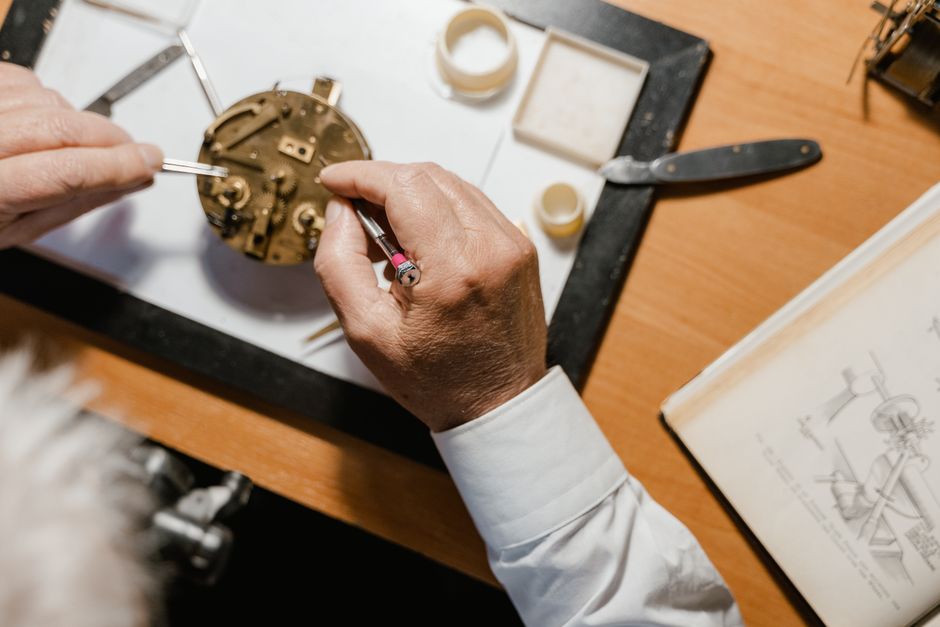
True luxury watch quality control is a comprehensive, upstream-to-downstream process spanning design choices, meticulous manufacturing checks, and a precise assembly process. Brands like Rolex and Omega set their standards incredibly high, while specialists like The Watch Company (TWC Japan) champion transparency on what quality means beyond brand labels.
If you ever look more closely at a luxury watch, remember it’s the quiet work done long before it hits your wrist—tight tolerance gears, perfect lubrication, balanced bracelet springs, and scratch-proof finishes—that ensures day-to-day pleasure. This robust control, not marketing hyperbole or vague claims of “built to last,” defines true luxury quality.
For those interested in diving deeper, I recommend visiting the TWC Blog for practical insights on watch assembly process, consistency standards, and manufacturing checks through real examples and user-oriented reviews.