What Are Examples of Self-Care That Are Not Products?
Self-care in today’s world is often presented as a dazzling array of products: shimmering supplements, fancy gadgets, and eye-catching skincare lines promising transformation. But does the latest product really hold the key to your wellbeing? Before you reach for another item off a social media feed, it’s worth asking, “What problem am I trying to solve?”
Many of the most effective self-care strategies transcend products entirely—they’re rooted in simple, everyday habits that support mental and physical health without a price tag or a brand logo. In this post, we’ll explore real-world examples of self-care practices that focus on routines you can build yourself, drawing on insights from consumer watchdog Which? and wellness companies like Releaf. We’ll also clear up some confusion about UK legal context surrounding THC edibles versus CBD products, and why prescription-only medical cannabis occupies a very different place.
Why You Should Self-Care Has Become So Commercialised
Scrolling through your social media feeds, it might seem like every moment of self-care requires a matching product or tool. From “detox teas” to expensive meditation apps and herbal supplements, marketing machines are hard at work convincing us that wellbeing = consumption.

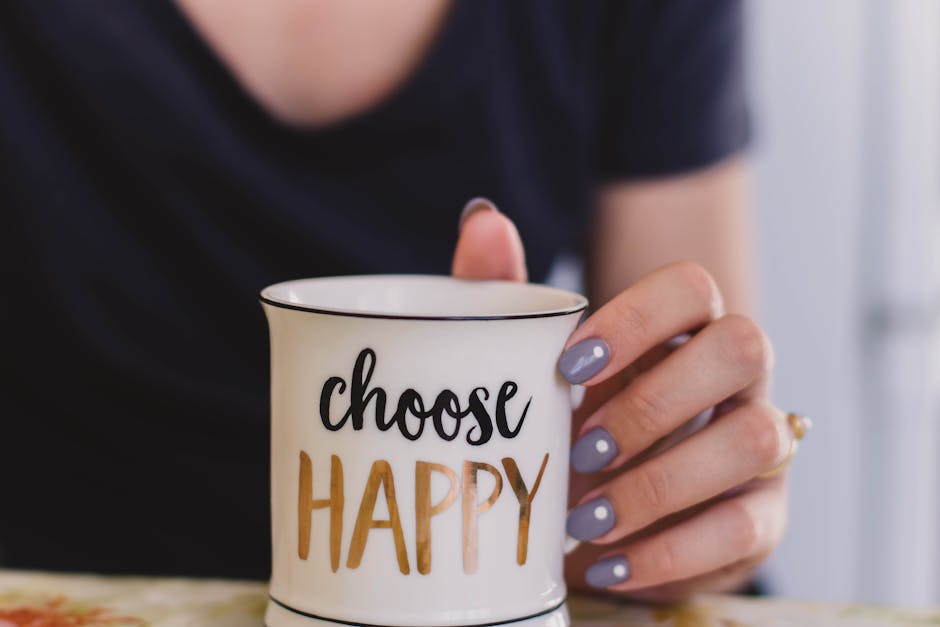
But independent reviews, like those from Which?, remind us that many products either deliver minimal benefits or have questionable claims. Social media tends to amplify marketing narratives rather than science-backed information. With so many new launches every week, it’s easy to feel you’re missing out if you don’t buy in—and that can paradoxically create stress rather than relief.
So the first principle of self-care here is to get back to basics. Focus on habits that _do_ address common problems such as stress, sleep difficulties, or low energy, and which you can adapt without spending much money. Products can sometimes complement these foundations but shouldn’t replace them.
Examples of Non-Product Self-Care Practices
Here are some straightforward, often free ways to nurture your wellbeing, rooted in everyday routine and relationship with yourself and others.
1. Cultivating a Sleep Routine
Sleep troubles are among the most cited reasons people seek self-care solutions. While there are myriad sleep aids on the market, building a consistent sleep routine beats most gadgets. ...well, you know.
- Set a regular bedtime and wake-up time. Consistency trains your internal clock and improves sleep quality.
- Create wind-down rituals. This might be reading a book, stretching gently, or dimming lights 30–60 minutes before bedtime to cue your brain.
- Limit screen time before sleep. Blue light disrupts melatonin production, so putting devices away or using night modes helps.
Which? consumers often report improvement simply by establishing these habits before investing in supplements or wellness products. Meanwhile, research cautions that many sleep supplements have limited efficacy or lack independent testing.
2. Going for Walks
Walking is one of the most accessible and versatile self-care actions. You don’t need special equipment, and it carries broad physical and mental benefits.
- Exercise stimulates mood-enhancing endorphins and reduces stress hormones.
- Natural daylight helps regulate circadian rhythms, improving energy and sleep patterns.
- Walking in green spaces, like parks or along riverbanks, can reduce anxiety and mental fatigue.
Releaf, a UK wellness company, encourages integrating such natural movement into daily life and blending it with mindfulness moments to enhance presence and relaxation.
3. Prioritising Real Rest
Want to know something interesting? rest isn’t just sleep or a meditation session—it’s actively allowing yourself downtime without feeling you must be productive. Real rest can take many forms:
- Sitting outdoors without distractions.
- Listening to calming music or ambient sounds.
- Engaging in hobbies that aren’t goal-oriented, like doodling or cooking for pleasure.
“Busy culture” often equates rest with laziness, but reframing your mindset to allow genuine breaks supports wellbeing in deeply restorative ways.
4. Setting Boundaries With Social Media Feeds
While social media can provide connection and inspiration, it’s also a huge driver of comparison, ‘FOMO,’ and pressure to consume products. Being intentional about your feeds and usage helps:
- Unfollow accounts that trigger stress or promote relentless consumerism.
- Schedule limited social media “check-ins” instead of constant scrolling.
- Use screen time tracking and do digital detox days.
The aim is to reclaim your mental space rather than feel overwhelmed by curated lifestyles or contradictory self-care checklists.
Understanding UK Legal Context: THC Edibles, CBD Products, and Prescription Cannabis
Many consumers turn to cannabis-derived products as part of their wellbeing routines. However, the legal status of these varies significantly and can cause confusion.
Product Type Legal Status in the UK Comments THC Edibles Illegal THC (tetrahydrocannabinol) is the psychoactive compound; edibles containing THC are not allowed. CBD Products Legal with restrictions CBD (cannabidiol) products must contain no THC, be labelled accurately, and not make medical claims. Prescription-Only Medical Cannabis Legal under strict conditions Prescribed for specific conditions; not available over the counter.Releaf UK provides verified CBD products within this legal framework and emphasizes transparency and independent lab testing. Consumers should watch out for products claiming “miracle cures” or vague “detox” effects—these often blur lines with prescription cannabis or THC products, which differ greatly.
Why Basics Beat Gadgets and Supplements
Let’s face it: complex gadgetry and supplements can feel exciting but often fall short because they don’t target the root causes of wellbeing issues or aren’t backed by rigorous evidence. Technologies like sleep trackers can educate but don’t replace quiet, https://inmagazine.co.uk/building-a-modern-self-care-routine-whats-worth-your-time-and-money/ consistent self-care practices. Supplements touted for “immune boosting” or “detoxing” frequently have inconsistent quality and unproven claims.
Which?'s independent reviews regularly find that investing time in building realistic, sustainable habits—sleep routines, balanced movement, real rest—provides more reliable, long-term benefits. If products are used, they should be part of a wider, grounded approach rather than the sole solution.
How To Get Started With Non-Product Self-Care
- Identify the main problem you want to address. Is it stress, poor sleep, low energy?
- Pick one or two simple habits. For example, setting a fixed bedtime and taking a daily 20-minute walk.
- Track progress with a journal or app. Note how these changes affect your mood or energy.
- Adjust routines gently. Avoid all-or-nothing thinking—small, consistent changes add up.
- Use independent resources. Check Which? for product reviews before purchasing and consult trusted sites like Releaf for accurate information on CBD.
Final Thoughts
In a wellness landscape awash with new products and conflicting advice, the antidote may be simpler than expected: building non-product self-care routines anchored in sleep hygiene, gentle movement like walking, real rest, and mindful social media use. These practices have stood the test of time and research, and you can do them every day.
Next time a social media feed or brand tries to sell you the “next big thing” in self-care, pause and ask yourself what problem you’re solving and whether a straightforward habit can do the job just as well—if not better.
Remember, self-care is about supporting your health sustainably, not chasing the latest trend.