How Many Characters Can You Engrave Inside a Ring Without It Looking Messy?
There’s a tiny real estate problem hiding inside every ring: you may have a whole story to tell, but the band has room for only a few words. So, how many characters can you engrave inside a ring without the result becoming difficult to read—or feeling like a paragraph squeezed onto a postage stamp?
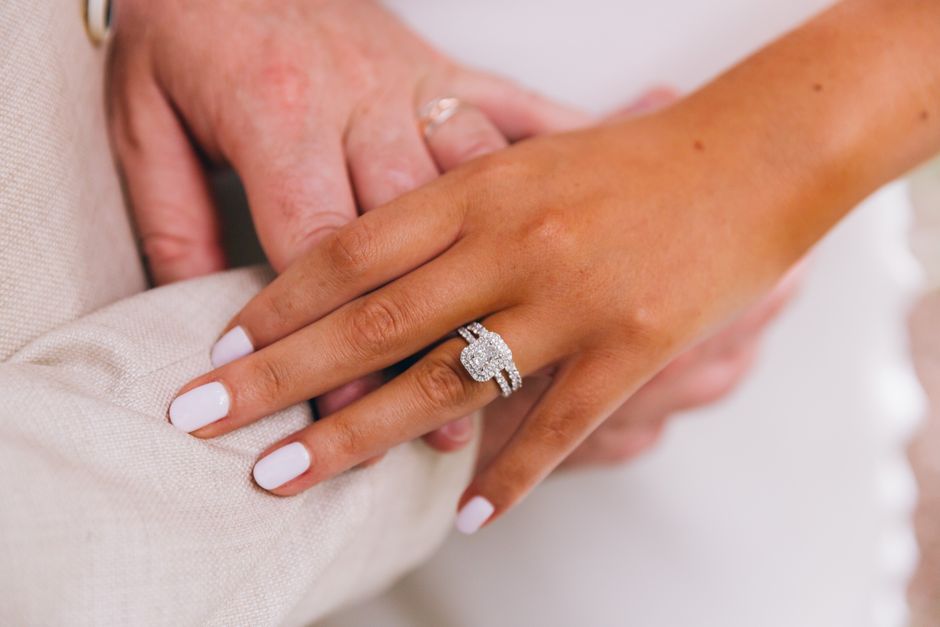
For many rings, 20–25 characters is a sensible starting point. But there isn’t one universal ring engraving limit. The answer depends on the band’s width and shape, the lettering style, the engraving method, and whether your message includes spaces or symbols. The most reliable way to decide is to test your wording in the actual space available, rather than choosing a number first and hoping it fits.
After years working alongside jewelers and bridal ateliers, I’ve seen what couples tend to love later: a message that feels personal and remains legible. I’ve also seen the regret that comes from choosing tiny lettering just to fit every last word. Here’s how to find the sweet spot—and how to make the message feel like yours.
The short answer: aim for 20–25 characters, then test
A short engraving often looks cleaner and is easier to read than a long one. Around 20–25 characters—including spaces and punctuation—is a useful first draft for many rings, but treat it as a guideline, not a promise. A narrow band may have room for less; a wider band may accommodate more. Some lettering styles also take up more space than others.
For example, “Always, on purpose” has 18 characters when the space and comma are counted. “Meet me where we began” has 23. Both might fit on some bands, but neither can be guaranteed to fit every ring. Your jeweler or engraver can confirm the usable area and show you a proof before engraving begins.
Message length What it often feels like Good next step 1–12 characters Simple and easy to scan Consider a name, date, initials, or compact phrase 13–20 characters Room for a short, personal message Check the font and spacing in a proof 20–25 characters Often a practical upper target Confirm the band’s usable length and engraving method More than 25 characters May need smaller lettering or a wider band Ask whether the message can be shortened or split across ringsCharacter counts usually include spaces, punctuation, and numbers, but counting systems can vary with special symbols or non-Latin lettering. Ask the engraver how they count your exact text. If your message includes an ampersand, a heart, or an accented character, don’t assume it will behave exactly like a standard letter.
What affects the ring engraving limit?
Band width and shape
The inside of a slim band offers less room for engraving than a wider one. A curved, contoured, or unusual interior can also affect how much text can sit comfortably in a straight line. Even two rings with the same outside measurement may have different usable space inside.
Width also affects how the lettering feels visually. Very small text can look crowded when squeezed onto a narrow band, while a message on a wider band may have more breathing room. Ask your jeweler to measure the actual engraving area rather than relying only on the ring size.
Font size and lettering style
Small script lettering may seem romantic on a screen, but intricate loops can blur together at a tiny scale. Block lettering is often easier to read, while a clean, simple script can work if the size is large enough and the letters have room to breathe. The goal isn’t to choose the fanciest font; it’s to choose one that will still make sense when you look at it years from now.
Always ask to see a proof at the intended size. A message that looks elegant enlarged on a computer can look cramped inside a ring. If you can’t comfortably read the proof, ask whether the text can be simplified, enlarged, or set in a clearer style.
Engraving method and material
Laser and hand engraving can produce different looks, and not every method is suitable for every design or metal. The material, interior finish, and ring construction can also affect what the jeweler recommends. Your maker can explain what’s possible for your particular ring, including whether the message may soften over time with wear.
Don’t assume an engraving service can make any text fit just because it accepts the order. Ask about the minimum readable letter size and whether the shop will contact you if the proof looks crowded.
How to choose a message you’ll still love
The strongest engravings tend to be personal without trying to tell the whole relationship in one line. A date can mark a meaningful moment; a phrase can recall an in-joke or shared promise; initials can feel intimate without taking up much space. You’re not required to choose a traditional declaration. The ring can carry a private reference that matters to the two of you and no one else.
Try this simple process:
- Write the uncensored version. Note what you actually want to say before worrying about the character count.
- Find the heart of it. Look for the word, date, or image that carries the most meaning.
- Make a few shorter versions. Keep the feeling; remove any words that repeat it.
- Count spaces and punctuation. Use the engraver’s counting rules for your final draft.
- Read it at actual size. Check the proof, not just the message typed into a phone.
- Pause before approving. Confirm spelling, capitalization, date format, and orientation.
If the full phrase doesn’t fit, you don’t have to shrink the letters until they’re hard to read. You might use a meaningful date, a short phrase on one ring and a complementary phrase on the other, or an engraving on a different piece of jewelry. A good jeweler will help you explore options without making a cramped message sound like the only romantic choice.
Breaking engagement ring traditions starts with the details
Engraving is a small way to make a ring feel less like a template and more like a choice you made together. And the same goes for the ring itself. Engagement rings don’t have to follow one familiar silhouette, one stone, or one version of what “romantic” looks like.
Modern settings and silhouettes can include low-profile designs, clean geometric shapes, asymmetrical details, or a band that feels different from the classic solitaire. These choices are about more than appearance. A high setting, for instance, may catch on knitwear or feel exposed to someone who uses their hands all day. I keep a running list of settings that snag on sweaters for a reason: the prettiest ring is not automatically the easiest one to live in.
When trying on rings, notice how the band feels between your fingers, not only how it looks from above. Does it pinch? Does it feel comfortable beside a wedding band? Can you picture wearing it at work, while cooking, or on a chilly day in a wool sweater? Those practical questions are not unromantic. They’re part of choosing a ring you’ll enjoy wearing.
Colored gemstones can tell a story, too
A colored gemstone can carry meaning without needing a long engraving to explain it. A stone might reflect a favorite color, a family connection, a place, or a shared memory. Some couples choose a gemstone because it feels like them, not because it matches a traditional checklist.
If you’re considering a colored stone, ask the jeweler about its care needs and suitability for the way you plan to wear the ring. Durability varies from gem to gem, and the setting matters as well. Ask clear questions about the stone’s identity, treatment, and sourcing. If a brand or seller can’t explain what they know—or what they don’t know—about a gemstone’s origin and treatments, that’s useful information when making your decision.
For design inspiration, you could browse Bespoke Bride for wedding ideas and personal styling cues, explore the range of aesthetics associated with Lily Arkwright, or look at Modern Gents as part of a broader comparison of accessible ring options. Use any retailer or https://www.bespoke-bride.com/2025/10/09/how-to-choose-an-engagement-ring-thats-as-unique-as-your-love-story/ editorial source as a starting point, then check the specific materials, setting details, care guidance, and customization options for the ring you’re considering. Names and images can inspire; the details still deserve a closer look.
Bespoke ring design and customization
Choosing a bespoke ring gives you more room to make the design fit your priorities, whether that means a distinctive silhouette, a colored gemstone, a particular metal, or an engraving that feels private. But “custom” doesn’t automatically mean “better.” It means you should have a clear conversation about what can be changed, what the final design will look like, and what happens if the proof or fit isn’t right.
Before approving a custom design, ask:
- What is the exact band width and usable inside engraving area?
- How many characters can you engrave while keeping the lettering readable?
- Will spaces, punctuation, or special symbols count toward the limit?
- Can you review a full-size engraving proof before work begins?
- What are the metal, gemstone, and sourcing details for the materials being used?
- Can the ring be resized or repaired later, and could that affect the engraving?
- What is the policy if the engraving has a spelling or production error?
These questions are not a buzzkill. They help you understand what you’re buying and avoid surprises after the proposal. A maker who welcomes specific questions is easier to work with than one who relies on vague promises about a ring being “perfect” or “timeless.”
Keep planning practical—and the romance yours
Wedding planning has a way of turning every decision into a spreadsheet, but the practical tools don’t have to flatten the feeling. Save ring references in Pinterest boards for ring inspiration, and make notes about what you like: the height of the setting, the band shape, the stone color, or the way an engraving is positioned. A few clear observations are more useful than hundreds of images with no explanation.
And when the invitations promo comes around, a Google Sheet for RSVPs can help you keep track of responses, meal choices, and follow-ups. It won’t help choose an engraving, but it can keep the surrounding wedding logistics organized—leaving more room to focus on the decisions that feel personal.

For the ring, keep your own short list: the final engraving, its character count, the approved proof, and any notes about materials or care. Save a copy of the approved wording. It’s a simple safeguard against a missing accent, reversed date, or last-minute version mix-up.
So, what’s the best character count?
If you want a practical starting point, aim for a 20-25 character engraving or shorter, counting spaces and punctuation, then ask your jeweler to confirm what fits on your band. That range often leaves more chance for readable lettering than a long sentence, but the proof is what matters. A narrow band, decorative font, or unusually shaped interior may call for fewer characters; a wider band may allow more.
The best inside band engraving isn’t the longest message you can fit. It’s the message you can read, the one that still sounds like you, and the one you’ll be happy to discover years from now. Make the ring your own, ask direct questions, and don’t let tradition—or a character counter—decide what your commitment should look like.