How Long Should I Roll a Tennis Ball Under My Arch? A Complete Guide to Foot Rolling for Pain Relief and Mobility
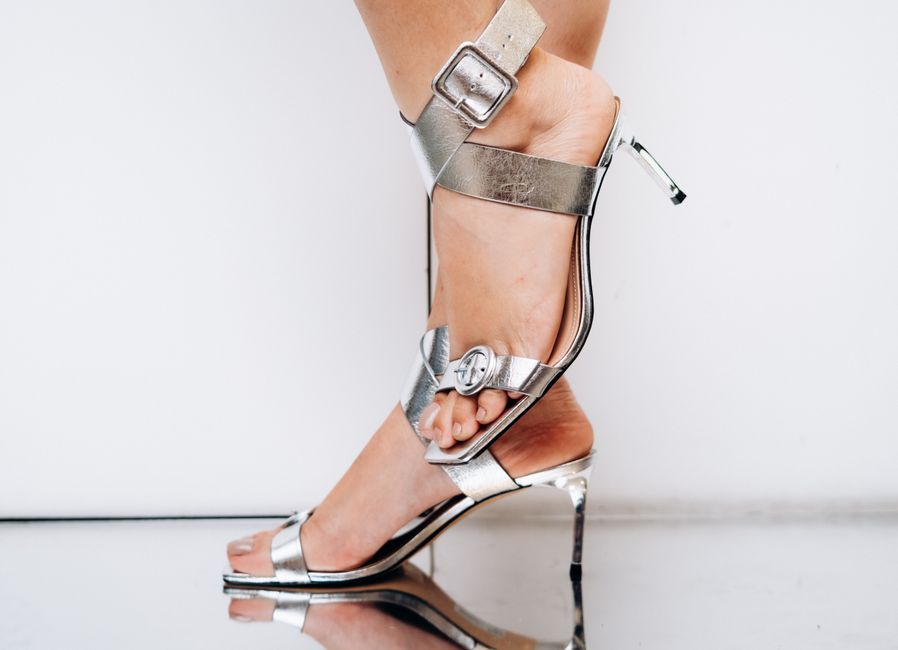
Picture this: you’ve just stepped out of the car after a long day, shifting your weight awkwardly from heel to toe, almost wobbling on your balance. That subtle discomfort under your foot might feel minor but tends to creep up during the day, especially if you wear heels or squeeze your toes into narrow shoes. Arch tightness isn’t just an inconvenience; it’s a signal that your feet—and often your whole posture—need help.
Rolling a tennis ball under your foot has become a go-to method for many to relieve discomfort caused by forefoot load, toe box compression, calf shortening, and those subtle postural shifts. But an essential question often gets overlooked: How long should you roll a tennis ball under your arch for the best results? Spoiler: the answer is more precise than just “as long as it feels good.”
With over a decade of experience fitting shoes—especially heels that can wreak havoc on your feet—and ongoing consultations with physical therapists and pharmacists, I’ll walk you through the science and practicalities of foot rolling, including the magic number of 1 to 2 minutes per side. Plus, we’ll explore how simple tools like a chilled water bottle complement the routine and how specific products like Joy Organics 1000mg CBD Cream can aid in managing foot soreness.
Why Rolling Your Foot Matters: The Biomechanics Behind Arch Tightness
First, let’s unpack the “why” before the “how.” Our feet are often the unsung heroes of posture and movement. When you wear heels or tightly fitting shoes, several biomechanical forces collide:
- Forefoot Load and Metatarsal Pain: Heels shift your body’s weight forward, increasing pressure on the metatarsal heads (the ball of your foot). This leads to discomfort and even metatarsalgia, a painful inflammation.
- Toe Box Compression and Nerve Irritation: Narrow toe boxes can squeeze your toes unnaturally, irritating nerves and increasing tightness in your foot arch.
- Calf Shortening and Reduced Ankle Range of Motion: Wearing heels shortens your calf muscles and Achilles tendon, limiting ankle dorsiflexion and altering gait dynamics.
- Posture Changes and Lower Back Stiffness: The foot’s altered loading pattern affects your overall posture. As your body compensates, stiffness builds in the lower back, often unbeknownst to you.
Given this chain reaction, it makes sense that addressing arch tightness directly can help alleviate not just foot pain but also secondary issues higher up your kinetic chain.
The Role of a Foot Rolling Routine
A thoughtfully executed foot rolling routine helps:
- Release fascial tightness under the arch
- Encourage blood flow and reduce inflammation
- Re-educate foot muscles for better posture and gait
- Supplement calf and ankle mobility exercises
How Long Should You Roll a Tennis Ball Under Your Arch?
While it’s tempting to roll endlessly hoping for immediate relief, 1 to 2 minutes per side is the sweet spot. Here’s why:
- Effective Fascial Release Takes Time: The connective tissue under your arch requires consistent, moderate pressure to loosen. Less than a minute rarely penetrates deep enough.
- Overdoing It Can Backfire: Prolonged rolling can irritate nerves or worsen inflammation, especially if pressure is too intense.
- Consistency Beats Duration: Regularly performing your foot rolling routine daily or every other day is more effective than a one-off long session.
Think of it as a mini self-massage: deep enough to stimulate change, but brief enough to prevent fatigue or soreness.
How to Implement the 1–2 Minute Rule Properly
When starting your foot rolling routine, divide the 1 to 2 minutes into manageable increments:
- Roll slowly from the heel to the ball of the foot, focusing on areas of tightness.
- Pause and apply gentle sustained pressure on tender spots for 10–15 seconds.
- Switch feet and repeat for the same duration.
Use this time to consciously tune into your foot’s sensations and modify pressure accordingly.
Tools of the Trade: Tennis Ball vs. Chilled Water Bottle
The simplicity of a tennis ball makes it the perfect introductory tool for foot rolling. Its size and firmness provide targeted pressure, perfect for releasing arch tightness without discomfort.
But sometimes, you might want to mix it up with a chilled water bottle. Here’s why:
Tool Benefit When to Use Tennis Ball Firm, consistent pressure; easy to manipulate Daily foot rolling routine, targeting soft tissue release Chilled Water Bottle Cooling effect reduces inflammation; gentle pressure Post-exercise recovery or after extended standing/wearing heelsI keep a tennis ball in my desk drawer for quick breaks and sometimes reach for a chilled water bottle after a long event, especially when heels have been involved. The cooling helps soothe any inflammation that foot rolling might stir up.
Integrating Foot Rolling into Your Daily Routine
Consistency is the game changer when managing arch tightness and related pain. Here’s a sample foot rolling routine to incorporate:
- Morning Wake-Up: Roll each foot with the tennis ball for 1 to 2 minutes to stimulate circulation and awaken your feet.
- Midday Reset: If you’re seated at a desk or after a walk, roll again briefly focusing on any sore spots.
- Evening Wind Down: Use a chilled water bottle for 1 minute per foot to reduce inflammation, followed by a gentle stretch. lovelolablog.com
Additional tip: Post-rolling, applying a topical analgesic can enhance pain relief. I recommend Joy Organics 1000mg CBD Cream for its proven potency and high-quality ingredients. Its anti-inflammatory properties complement your foot care routine, especially after wearing shoes that compress the forefoot or cause nerve irritation.
Common Mistakes and How to Avoid Them
- Applying Too Much Pressure: Your foot may feel sore afterward, indicating over-aggressive rolling. Adjust with a softer ball or lighter pressure.
- Ignoring Calf and Ankle Mobility: Rolling alone won’t fix shortened calves or limited ankle motion. Incorporate calf stretches focusing on both the gastrocnemius and soleus muscles—don’t neglect the soleus, a common oversight.
- Walking It Off Without Care: Notice unstable or limping gait post-heel wear? Prioritize your foot rolling routine before and after wearing heels to prevent worsening metatarsal pain.
- Neglecting Posture: Arch tightness often leads to compensatory posture changes. Engage in a holistic approach including core strengthening and back mobility exercises.
Summary: Mastering Your Foot Rolling Routine for Lasting Relief
To wrap it all up, here’s what to remember about rolling a tennis ball under your arch:
- Duration: Roll for 1 to 2 minutes per foot—no more, no less.
- Routine: Consistent daily practice yields better results than sporadic long sessions.
- Tools: Use a tennis ball for targeted pressure; incorporate a chilled water bottle when inflammation is present.
- Support: Complement foot rolling with products like Joy Organics 1000mg CBD Cream to help reduce inflammation and manage soreness.
- Holistic Care: Address calf shortening and ankle mobility along with foot rolling to improve posture and reduce lower back stiffness.
Foot health is foundational to daily comfort and mobility. By respecting the mechanics of your feet and giving them focused care—even in a simple 1 to 2 minutes of rolling—you set yourself up for better posture, less foot pain, and improved overall wellbeing.
Next time you feel that arch tightness creeping in, reach for a tennis ball and roll thoughtfully. Your feet (and back) will thank you.