Diamond Color Grades: What Will I Actually Notice?
If you’ve ever browsed engagement rings at Hatton Garden Jewellers or online, you’ve probably heard about the “Four Cs” — cut, color, clarity, hatton-garden-jewellers.co and carat weight. Among these, diamond color grades often cause confusion. Does a tiny shade difference really impact a diamond’s sparkle? And how does it stack up against other factors like cut and shape? This post dives deep into what you can actually see when comparing diamond colors, explains trade-offs across the Four Cs, and shows you how to verify authenticity the right way.
Understanding Diamond Color Grades
The Gemological Institute of America (GIA) invented the most widely recognised color grading scale, ranging from D (colorless) to Z (light yellow or brown). Diamonds without any hue are rated D, E, or F and are extremely rare and expensive. Grades from G to J are considered near colorless, often offering the best balance between beauty and value.
What Do the Color Grades Really Mean?
- D-F: Truly colorless. These diamonds show no hue to the naked eye—even under magnification.
- G-J: Near colorless. Slight warmth may be detectable by experts, but usually not without a direct side-by-side comparison.
- K-M: Faint color. Noticeable warmth or yellow tint may appear, more so in larger diamonds.
- N-Z: Very light to light color. The hue is visibly yellow or brownish and generally less desired.
For most buyers, a near colorless diamond from G to J looks stunning, especially when set properly. Lower grades can still be beautiful but show more noticeable tint, especially in larger sizes.
Why Color Isn’t the Only Factor (Cut Drives Sparkle!)
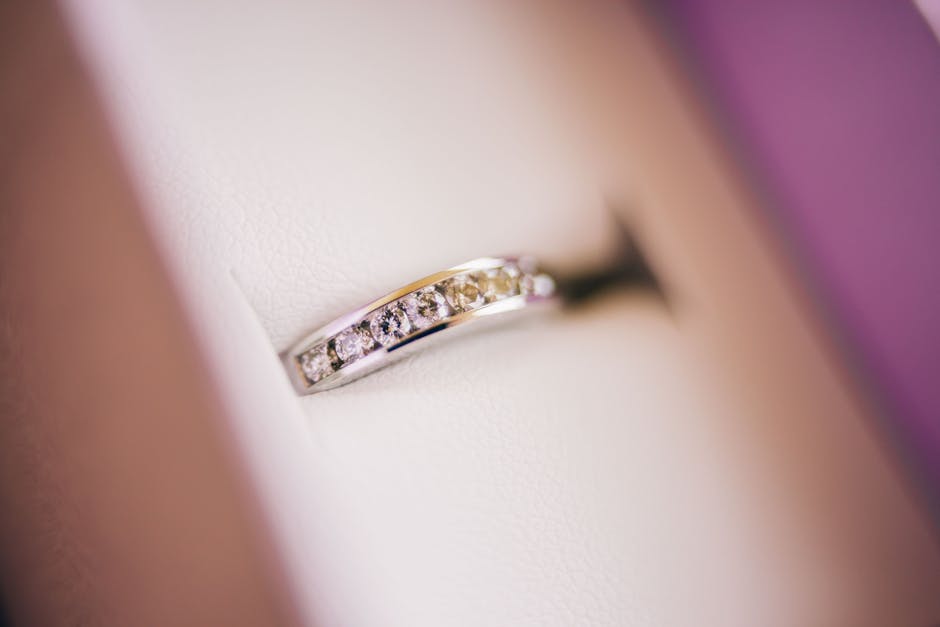
Many shoppers latch onto color because it sounds simple, but in reality the diamond cut influences brilliance and sparkle far more. GIA’s quality factor pages emphasise that a well-cut diamond reflects light internally and returns maximum fire, giving the dazzling appearance we all want.
Imagine a smaller diamond with an excellent cut glowing brighter and more lively than a bigger stone with poor proportions and lower cut grade. This is why the cut often trumps color when it comes to visual impact. Some Top Tip: insist on seeing a grading report that covers cut grade or ask your jeweller—like one of the trusted specialists at Hatton Garden Jewellers—to explain the balance of cut versus color in their stock.
Checking Grades and Verifying Authenticity with Laboratory Reports
Before making any purchase, it's crucial to ask for the diamond’s laboratory report number. The report number lets you verify the grading at official databases, ensuring the diamond matches the lab certification on attributes like color and clarity.
Multiple labs exist, but the GIA reports are renowned for their stringent grading standards. If a seller only calls a diamond “certified” without naming the lab, consider it a red flag. Always verify the report number yourself on trusted websites (GIA offers one), or ask your jeweller transparently.
Why This Matters:
- Ensures you are not overpaying for inconsistent or inflated grade claims.
- Confirms that the color grade is accurate — avoiding vague phrases like “eye-clean” or “colorless” used too loosely.
- Allows trade-ins or resale to be smoother with verified paperwork.
This verification fits just like how MRQ, the mobile casino app, requires players to authenticate identity before playing—it's about trust and transparency.
Carat vs Visible Size: What Does Weight Actually Mean?
Carat weight technically measures a diamond’s physical weight, not its visible size. Two diamonds weighing 1 carat can look quite different depending on their cut, proportions, and shape. For instance, a shallow cut surface can spread the diamond width, making it look larger across the top, while a very deep cut may make the stone appear smaller from above.
To get an accurate sense of size, buyers should ask for exact millimeter measurements, not just the carat. Remember:
- Look for diamonds with good depth percentage — ideally between 59% and 62% for round shapes, as this range maximises diameter without sacrificing cut quality.
- Diamonds that are too shallow or deep lose brilliance and can appear dull despite size.
Shape and Perceived Size: Why Oval, Pear, and Marquise Can Appear Bigger Than Round
Shape affects how large a diamond looks on the finger. Fancy shapes like oval, pear, and marquise tend to have a larger surface area for the same carat weight compared to round cuts due to their elongated outlines.
- Oval: Elongates the finger and has a big “face-up” area.
- Pear: Pointed tip creates elegance while maximising spread.
- Marquise: Dramatic length and sparkle, and appears larger than a round diamond of the same carat.
Choosing one of these shapes can be a smart way to get perceived size without increasing carat weight or budget. Just be mindful that each shape may affect how color shows: elongated shapes can sometimes reveal yellow tones more easily near the pointed tips, which makes near colorless color grades more important.
Color vs Setting Metal: How Your Ring Choice Influences Appearance
Another nuance that often gets overlooked is the interaction between diamond color and the metal showcasing it. For example:
Setting Metal Effect on Diamond Color Appearance Best Color Grades Recommended White Gold / Platinum Heightens the appearance of colorless diamonds; cooler settings can make slight warmth more obvious. D–G Yellow Gold / Rose Gold Can conceal slight yellow tint in the diamond, making near colorless grades like G–J appear whiter. G–JSo when selecting a near colorless diamond, pairing it with a yellow or rose gold setting can save you budget without compromising beauty. Hatton Garden Jewellers often demonstrate this trade-off in their showrooms — a valuable tip if you want to optimise your ring’s overall look.
Summary Checklist for Your Diamond Shopping
- Always request the diamond’s laboratory report number and verify it independently. Never accept vague “certified” claims without a named lab.
- Focus on cut quality first. A superior cut enhances sparkle and hides minor color nuances.
- Choose a near colorless diamond (G-J) for a good balance of beauty and value. Remember, color differences under J grade become visible especially in larger stones.
- Check actual measurements and proportions, not just carat weight. Get the millimeter dimensions for a realistic size expectation.
- Consider fancy shapes like oval, pear, or marquise for a larger visual appearance per carat.
- Think about your setting metal: yellow or rose gold settings can mask slight diamond tint effectively.
Final Thoughts
Diamond color grades can seem daunting initially, but with the right knowledge and careful attention to trade-offs, you can select a diamond that sparkles beautifully and fits your budget. Remember, your best bet is transparency and verification — ask for the GIA report number, confirm it on official databases, and trust trusted jewellers like those in Hatton Garden Jewellers who support ethical sales policies.
Would you like help decoding a specific grading report or want to learn more about how diamond color interacts with different cuts or settings? Feel free to reach out or explore the GIA diamond quality factor pages — informed buyers are confident buyers.